

Pain, Health, and Sudden Behavior Changes: Your Dog Isn't Being "Bad"
Sudden aggression or fear may be medical. Learn when to rule out pain and illness.
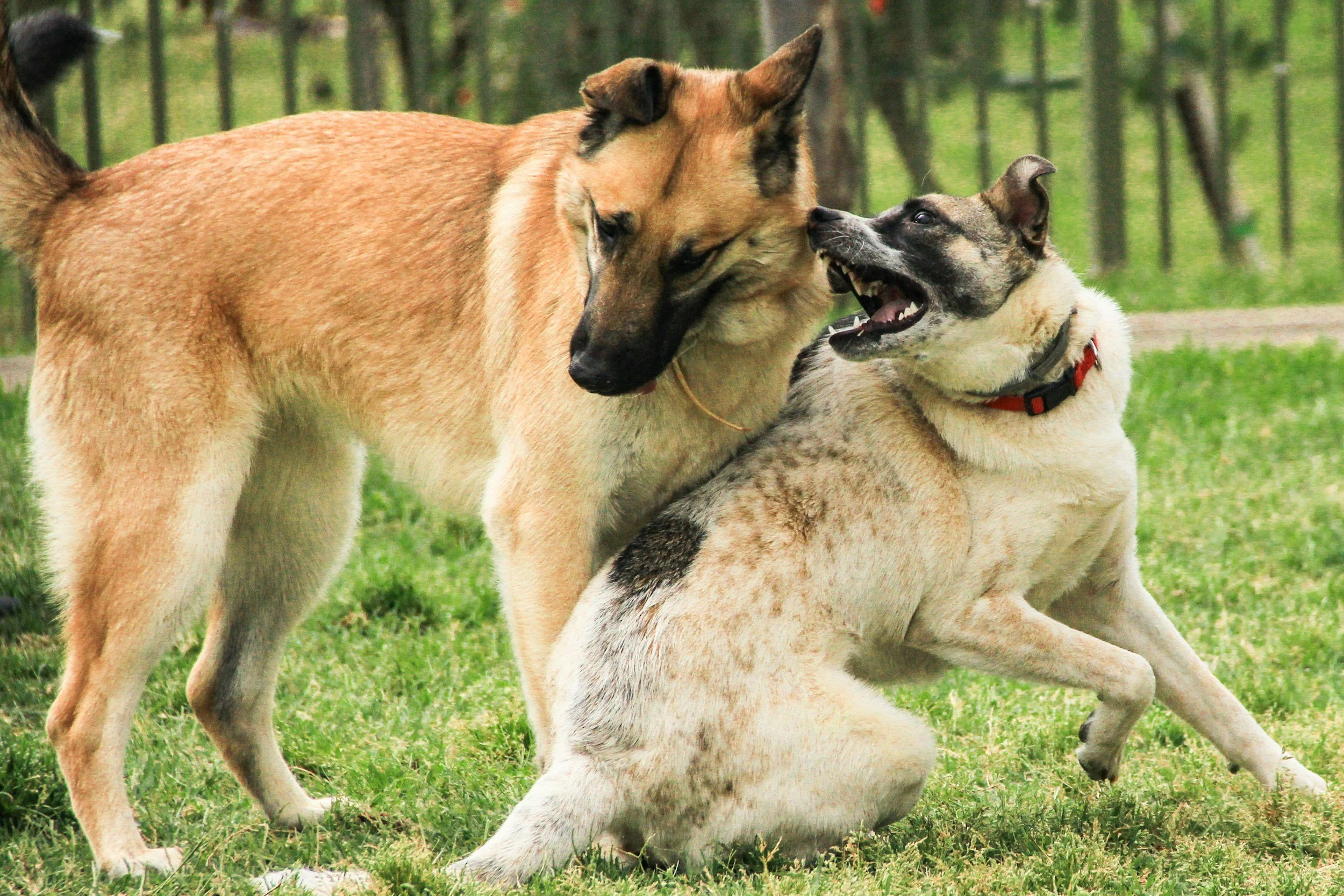
Why “Let Them Work It Out” Is Dangerous
Dogs don’t resolve conflict like people. Learn why intervention and management matter.

Adding a Second Dog: What Trainers Wish You Knew
Love isn’t enough. Learn how to set up safe introductions and realistic expectations.

Resource Guarding Between Dogs
Guarding isn’t dominance. Learn why it happens and how to prevent escalation.
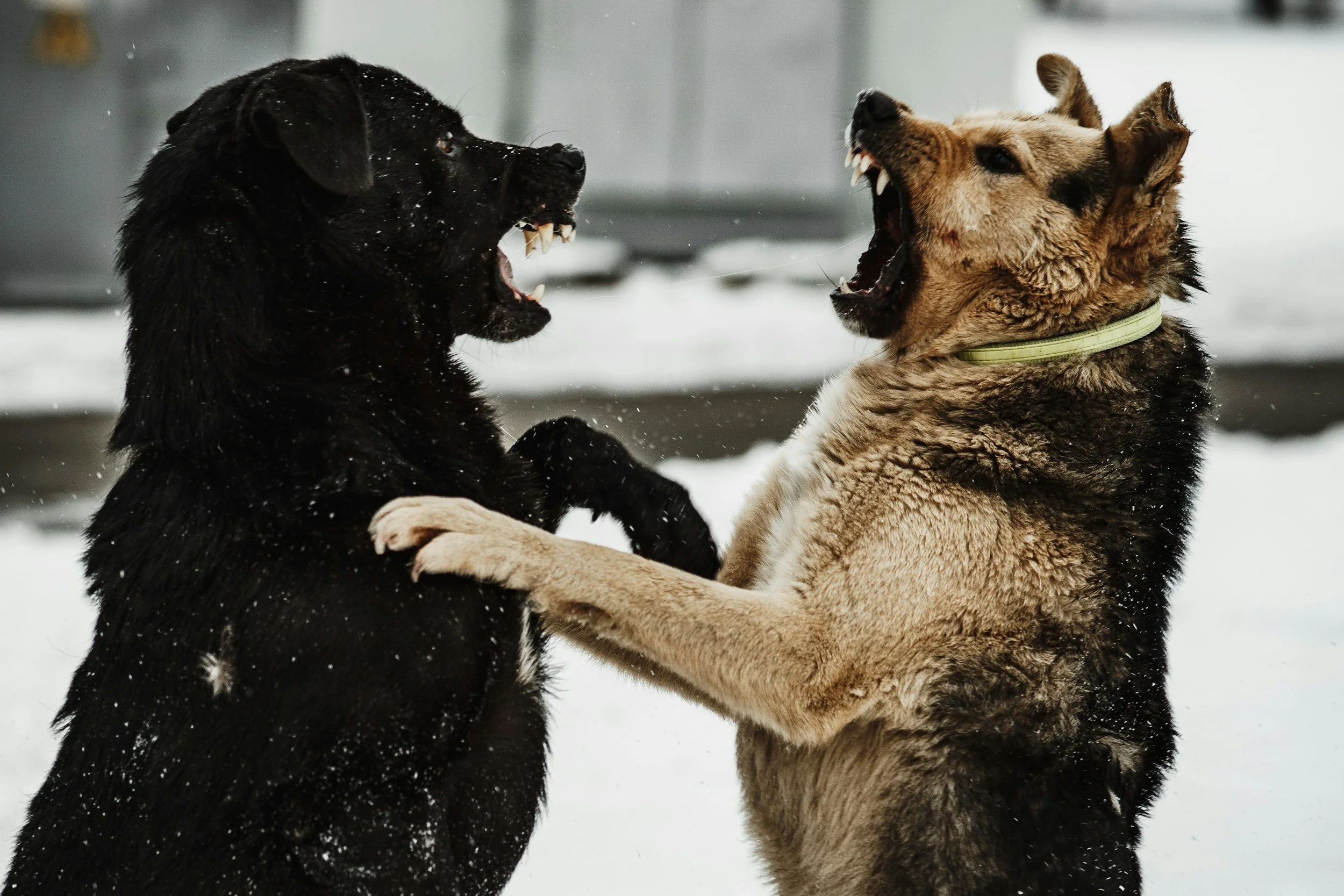
Why Dogs Fight in the Same Household
Conflict often stems from stress and resource guarding. Learn how to manage multi-dog tension safely.
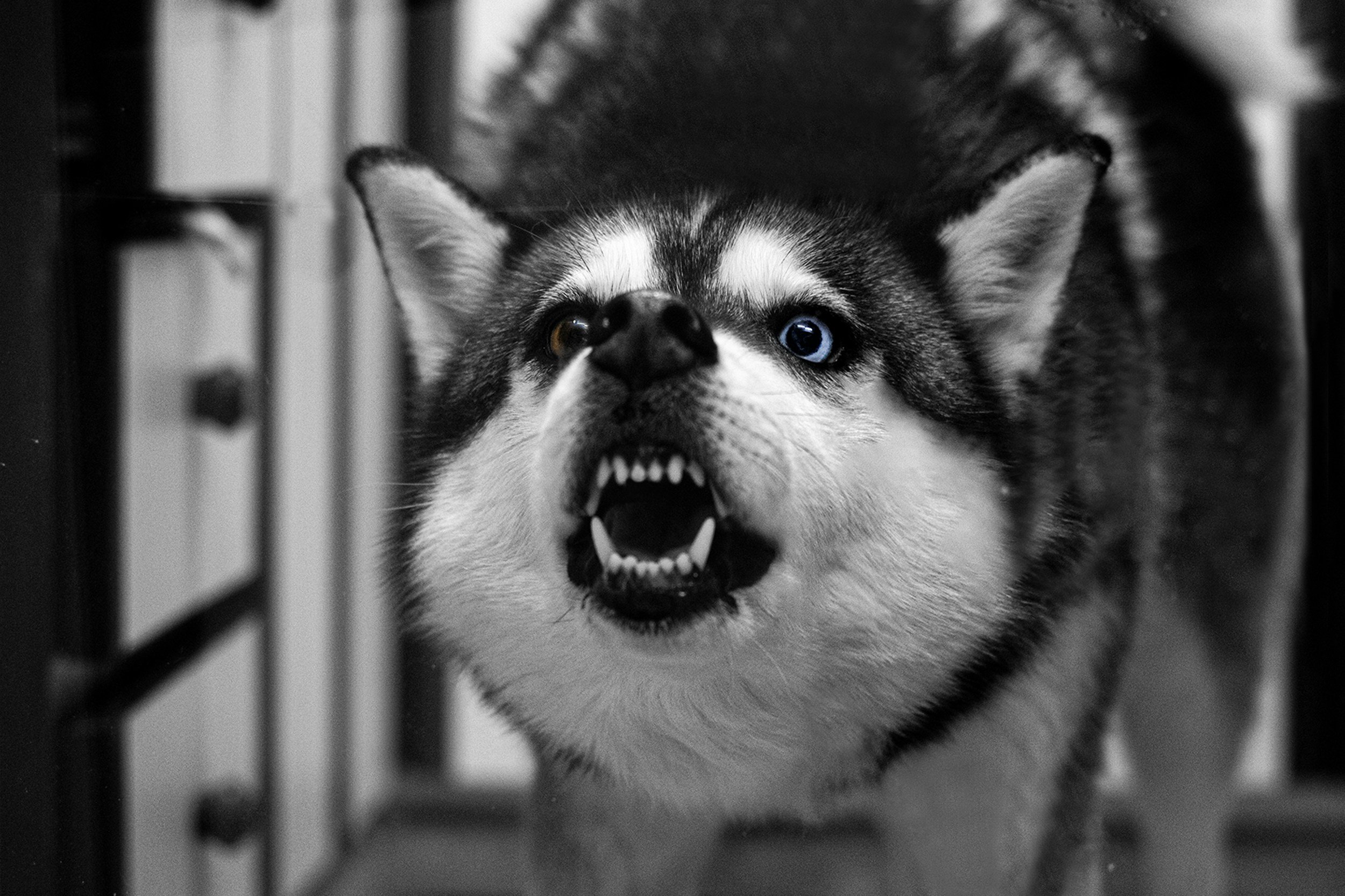
Why Punishing Aggression Makes Dogs More Dangerous
Think punishment fixes aggression? Think again. Learn why correcting growls, lunges, and snaps can make dogs more dangerous and what to do instead to create lasting behavior change.

What to Do When Your Dog Snaps or Lunges
A snapping or lunging dog can be scary, but punishment isn't the answer. Learn why dogs react, how to manage situations safely, and the first steps toward helping your dog feel better and behave better.
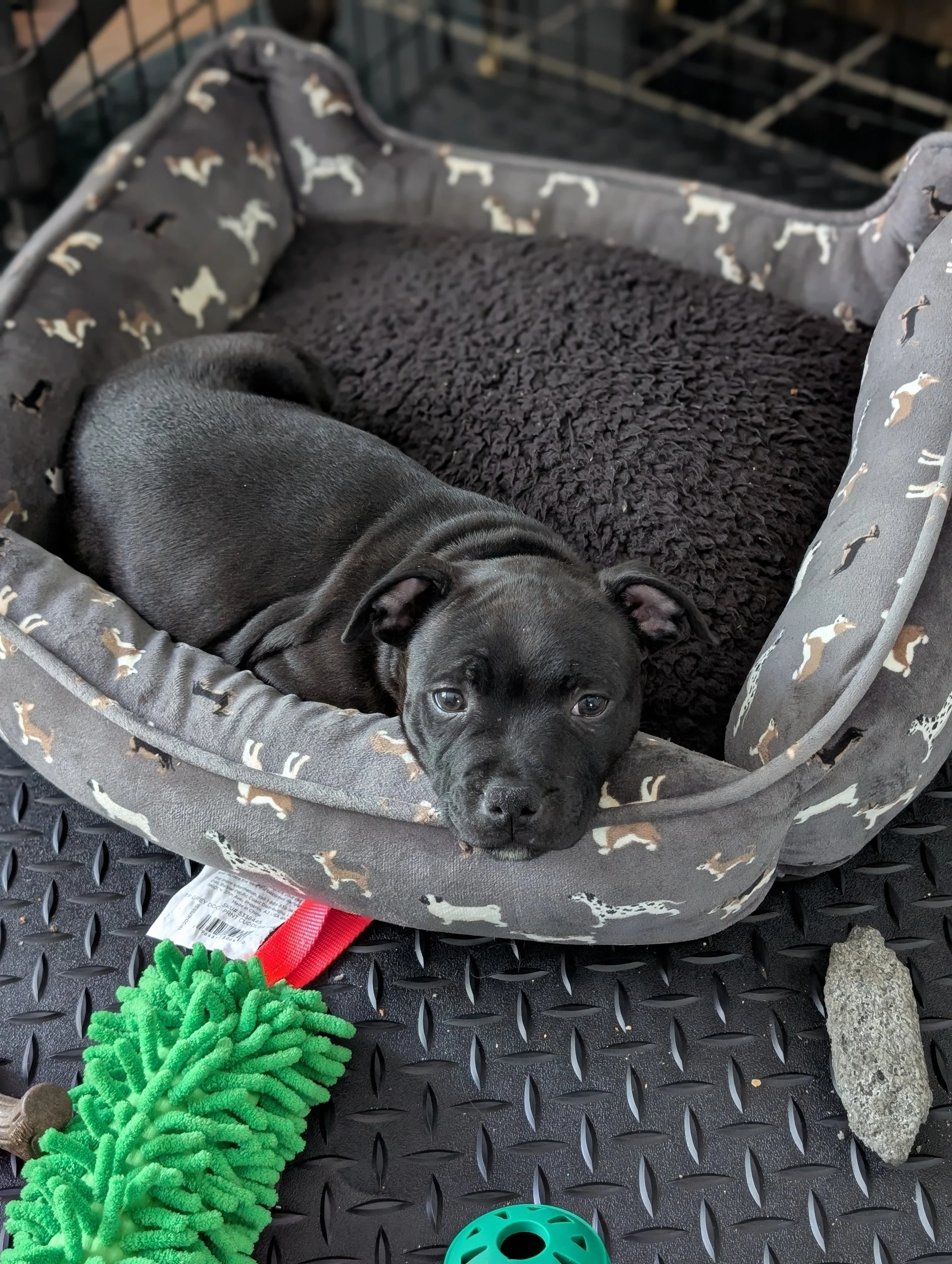
What I've Learned After 3 Weeks of Raising Elphie (Spoiler Alert: Puppies Are Tiny Chaos Goblins)
Three weeks into raising Elphie, I'm sharing the real-life lessons I've learned about crate training, potty training, puppy biting, and surviving life with a tiny land shark. Even with 11+ years as a Certified Dog Behavior Consultant, puppies still keep me humble.

Why Quick Fixes Backfire in Dog Training
Looking for a fast fix for your dog's behavior problems? Whether your dog is barking, pulling on leash, jumping, or reacting to other dogs, quick-fix training methods often create bigger problems instead of lasting solutions. Learn why real behavior change takes time, how dogs actually learn, and what works better than shortcuts when it comes to building a confident, well-behaved companion.

Fearful Dogs Aren't Just "Badly Socialized"
Genetics, trauma, and stress matter. Learn why fear isn’t always a socialization failure.

Building Your Puppy's Emotional Toolbox: Skills That Prevent Future Behavior Problems
When you focus on building your puppy's emotional toolbox, you're investing in a lifetime of better behavior, stronger relationships, and improved welfare.

The Socialization Myth: It's Not About Meeting 100 People
Successful socialization creates dogs who are calm, adaptable, and confident—not dogs who feel compelled to greet every living creature they encounter.

Raising Resilient Puppies: Why Confidence Matters More Than Obedience
Resilience is a dog's ability to encounter new situations, recover from surprises, adapt to change, and continue learning even when life gets challenging. A resilient dog is more likely to handle veterinary visits, moving to a new home, meeting strangers, encountering loud noises, and navigating everyday stressors without becoming overwhelmed.
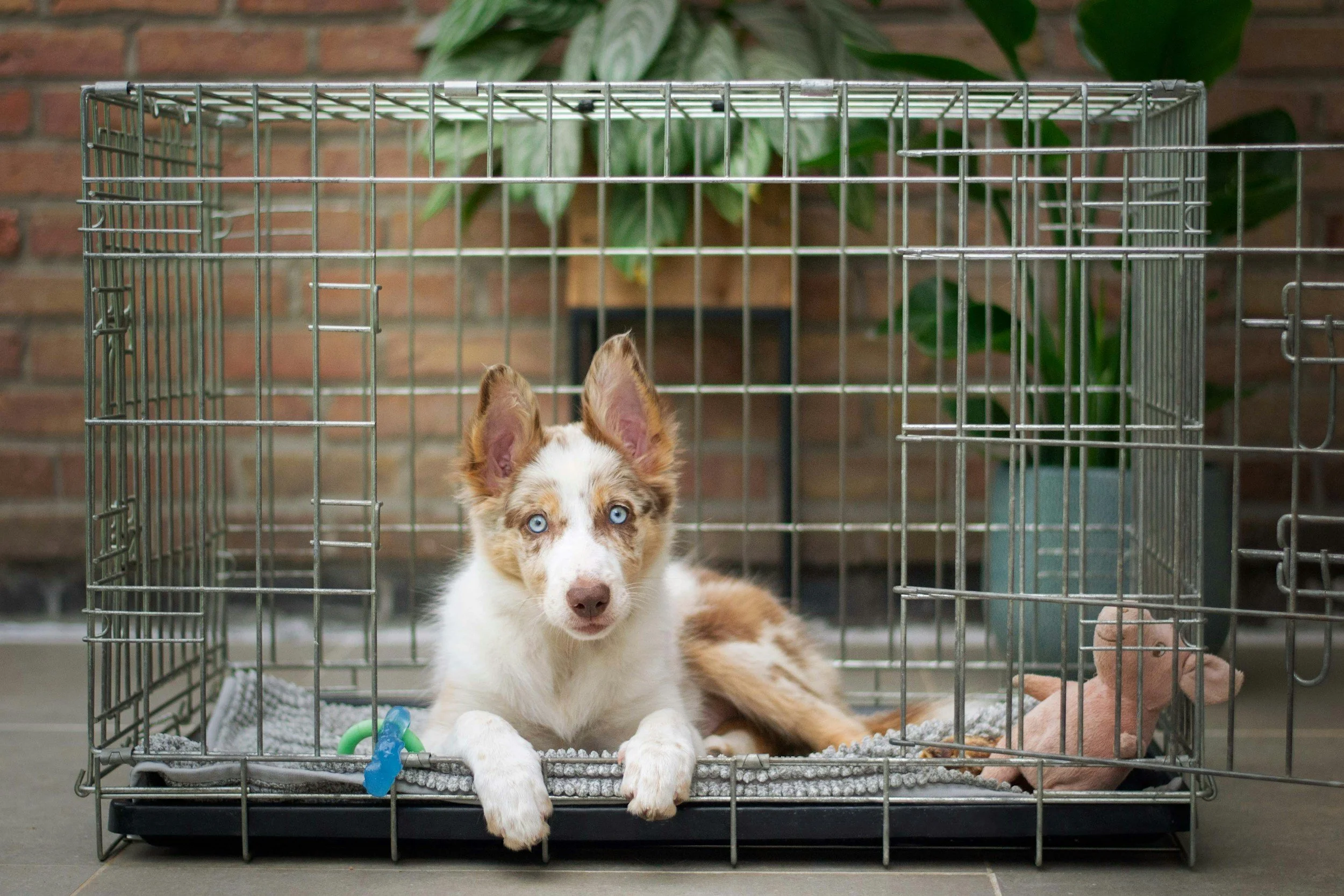
Preparing for a Puppy: What to Do Before Your New Best Friend Comes Home
Bringing home a puppy? Learn how to prepare with puppy enclosure setups, socialization plans, puppy classes, happy vet visits, and recommended puppy training books.
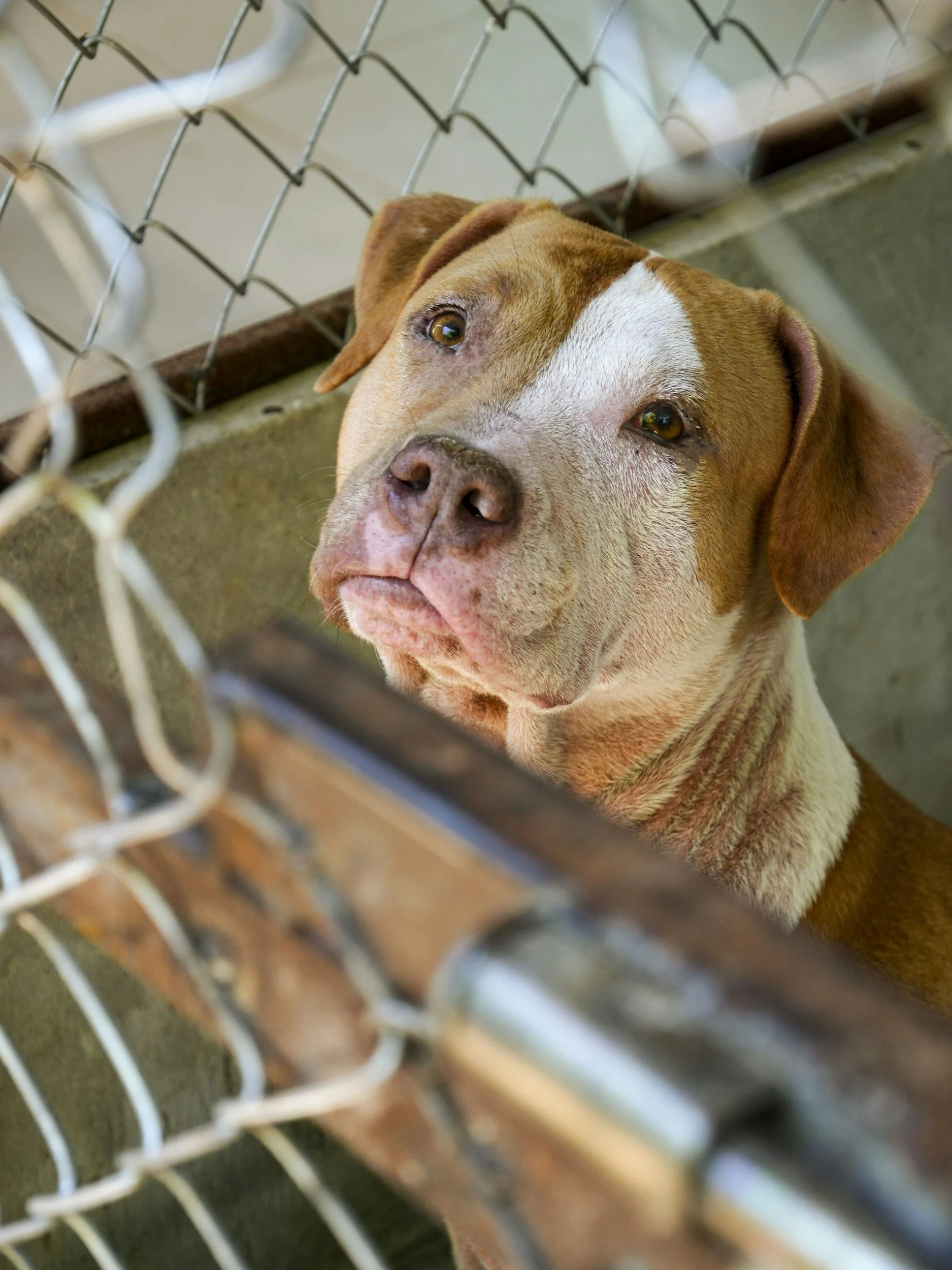
Ethical Dog Rescue Practices: What Responsible Rescues Should Be Doing (and What They Should Stop Doing)
A deep dive into ethical dog rescue practices, including responsible adoption policies, behavioral euthanasia support, spay-abort considerations, early puppy development programs like Puppy Culture, and how rescues can better serve animals and adopters without shaming or gatekeeping.

Why I Chose to Purchase a Puppy from an Ethical Breeder
Learn why I chose an ethical dog breeder and what puppy buyers should look for, including health testing, Puppy Culture, socialization, and temperament.
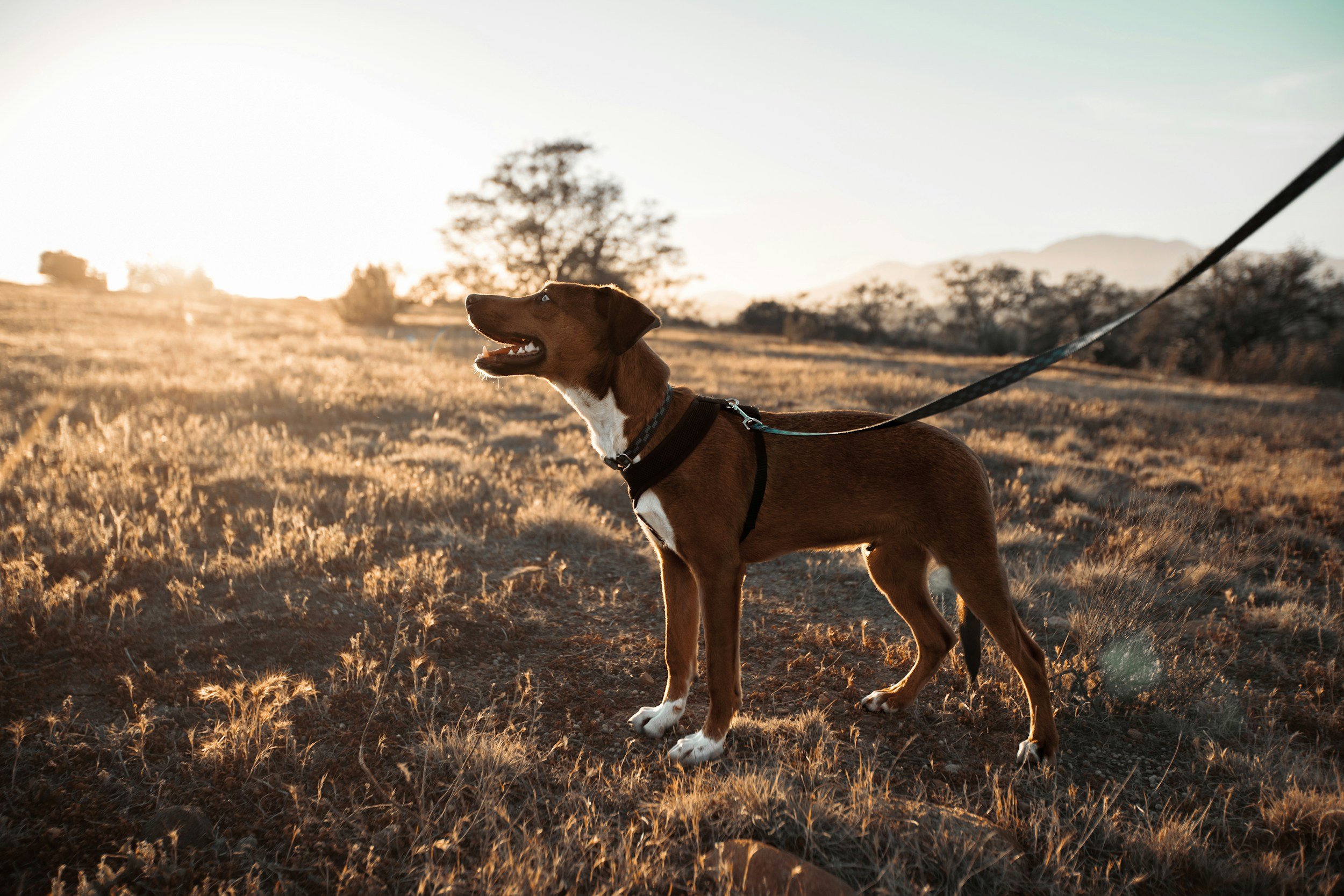
Management Is Not Failure in Dog Training
Gates, leashes, and distance prevent setbacks. Learn why management is ethical and effective.

Why Consistency Is Hard (And How to Make It Easier)
Consistency doesn’t mean perfection. Learn realistic strategies for busy, overwhelmed households.

Teenage Dogs Aren’t Defiant—They’re Developing
Hormones and brain changes affect behavior. Learn what’s normal and how to support adolescent dogs.
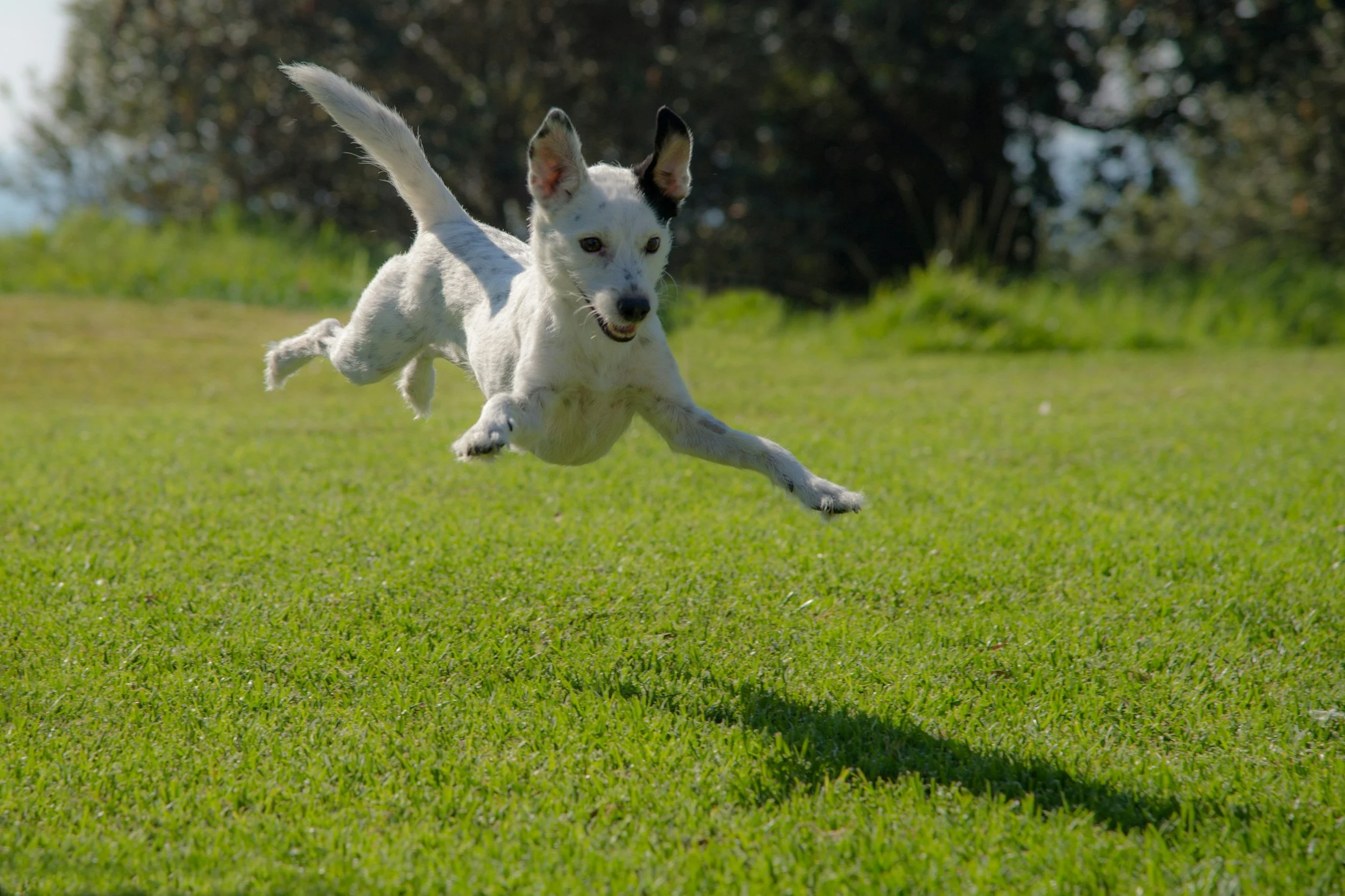
Why Your Dog “Forgot” Their Training
Adolescence rewires the brain. Learn why training falls apart and how to rebuild skills compassionately.